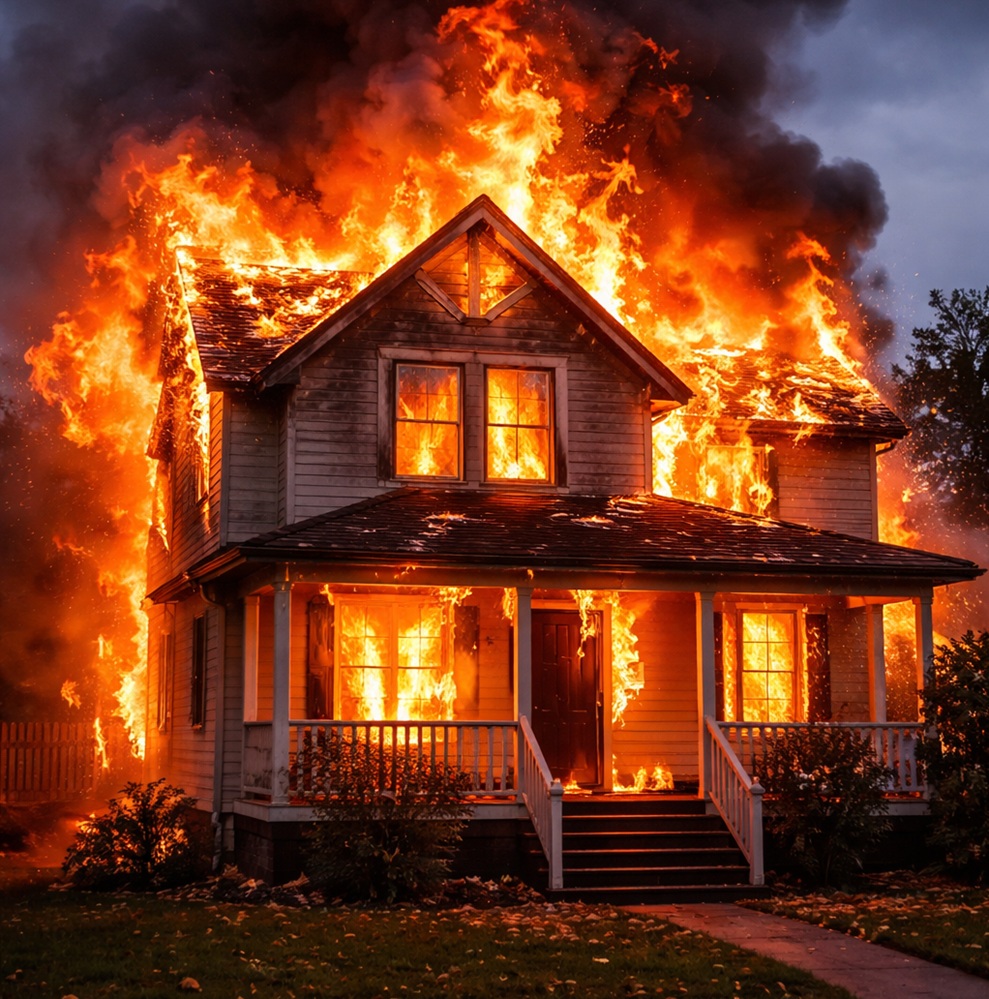
The #1 Electrical Mistake That Causes House Fires
After 30 years working as a master electrician, I can tell you this: The most common electrical mistake that causes house fires isn’t complicated. It’s loose wire connections. And most homeowners — and even some Electricians — don’t realize they’re doing it wrong. If you care about electrical fire prevention, this is the most important wiring habit you can fix.
Why Loose Wire Connections Cause Electrical Fires
The most common wiring mistake I see in homes is failing to mechanically twist wires together before installing a wire nut. Here’s what happens: Wires are stripped Held side-by-side A wire nut is spun on The installer assumes it’s secure But here’s the truth: A wire nut is a protective cap — not the connection itself. Your wires should hold together tightly before the wire nut is installed. If they don’t, movement inside the box can create micro-arcing — tiny electrical sparks that generate heat. Like a spark plug
According to the National Fire Protection Association, electrical arcing is responsible for a significant percentage of residential electrical fires.
The breaker often won’t trip.
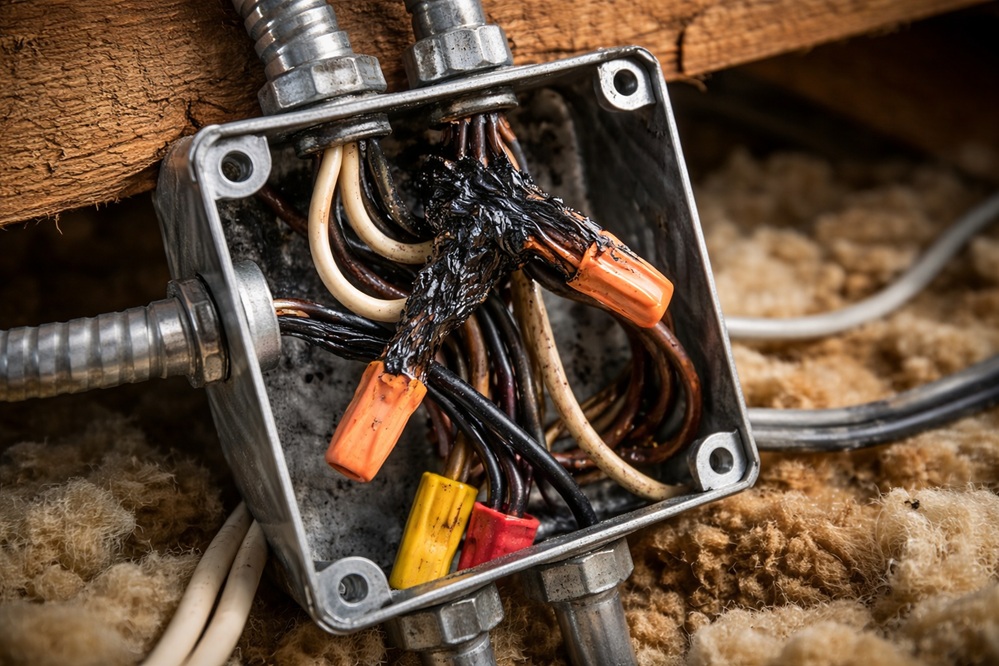
The circuit may continue working. But heat builds slowly. I’ve seen: Melted wire nuts Burned copper conductors Damaged junction boxes Every one of them preventable.
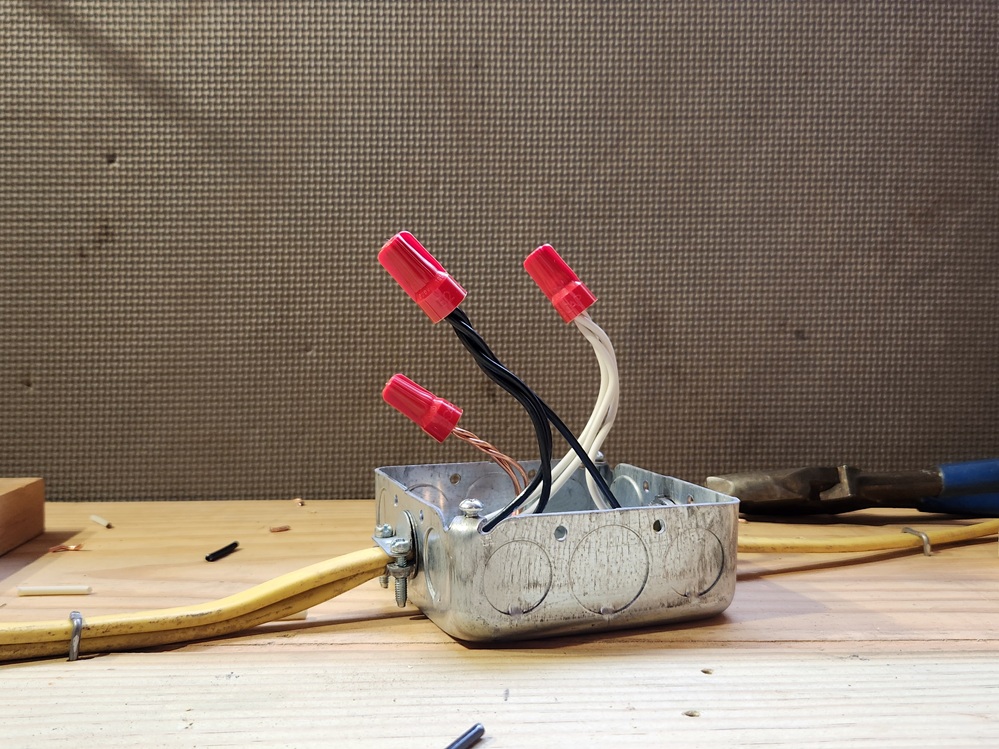
How to Twist Electrical Wires Properly (Professional Method)
If you want to eliminate loose wire connection fire risk, follow this method.
1. Strip the Correct Length Strip the wires slightly longer than your final desired length. Different wire sizes and connectors require different strip lengths, but your goal is: Maximum copper contact No exposed copper after the wire nut is installed
These are the wire strippers and Lineman pliers I use Professional wire strippers https://amzn.to/4aOJDQi Linesman pliers https://amzn.to/4b9AmUd
2. Align the Conductors Evenly Hold the wires so the exposed copper starts at the same point. Even alignment ensures even pressure distribution.
3. Twist With Tension Grip firmly. Twist while pulling slightly away with your opposite hand. This tension forms a tight, even spiral.
The wires should: Form a uniform twist Hold together without a wire nut Feel solid when tugged Then trim to final length and install the wire nut.
⚠️ Some wire nuts can be faulty from the factory. If properly twisted, the splice should remain secure even without the nut.
Here is a link to my favorite ones that are professional grade https://amzn.to/4aBLRnl
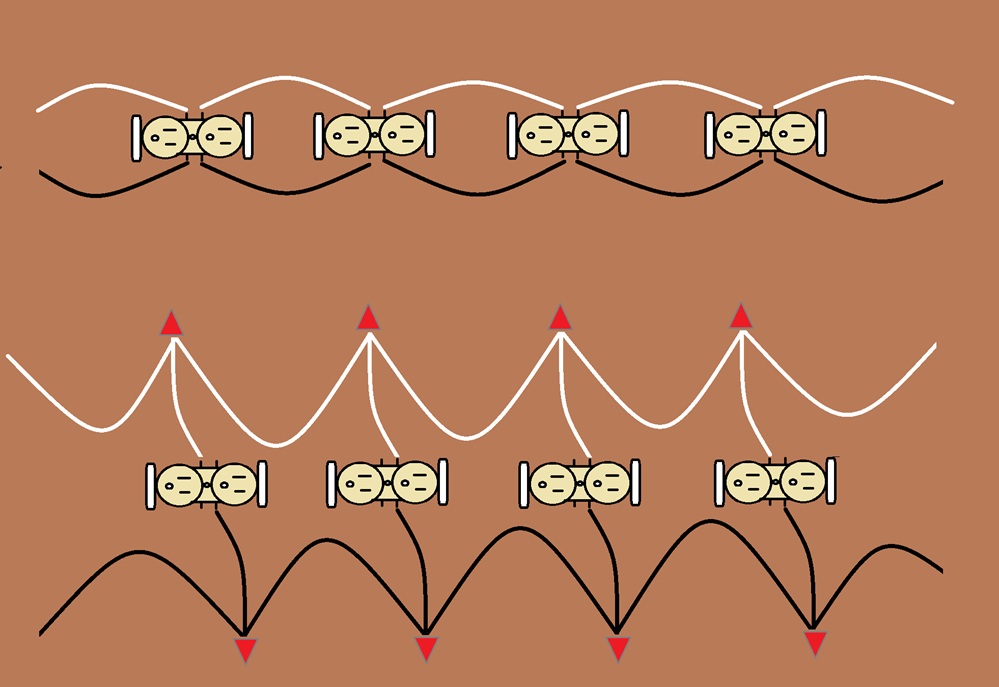
Another major heat issue comes from how outlets are wired. Many installers use all four screws on a receptacle to feed downstream devices. This forces the electrical load through the internal metal tab of the outlet. Under load, that creates heat.
The Professional Pigtail Wiring Method Instead:
Separate hot wires Separate neutral wires Add a properly sized pigtail Twist and cap the splice Land only the pigtail on the outlet Now the current bypasses the device.
Benefits of Pigtailing
Less heat buildup Easier troubleshooting Easier box installation Downstream circuit stays live if an outlet fails
This is professional-grade residential wiring.
Never Use Backstab Outlet Connections
One of the most common residential electrical failure points:
Backstab connections. They were designed to speed installation. In reality, they create long-term problems. Backstab outlet problems include: Loose connections from heat cycles Intermittent power Random breaker trips Melted devices
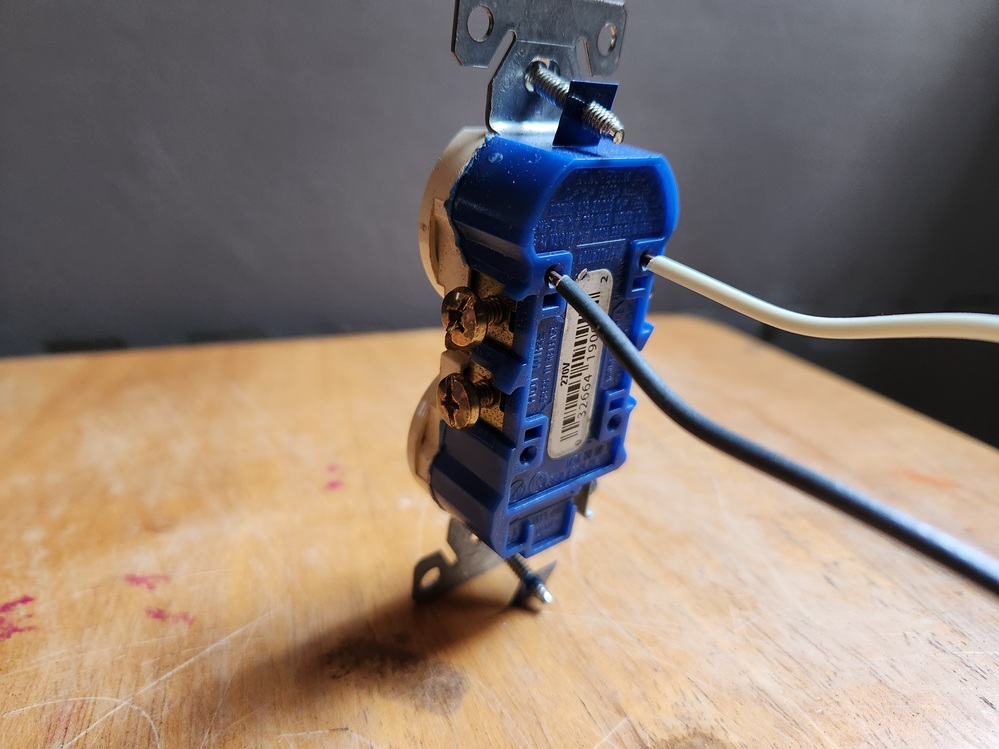
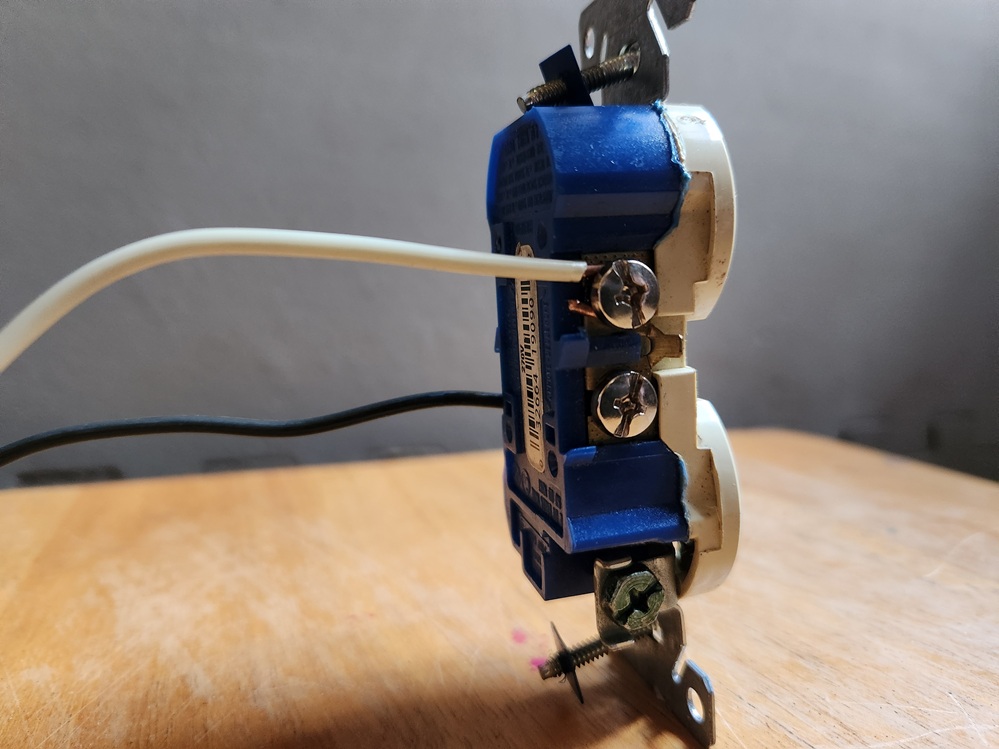
If you see them during repairs — correct them.
How to Fix a Backstabbed Outlet If there’s enough slack: Cut off damaged copper Strip fresh insulation Bend a proper hook Land it securely under the screw terminal Tighten fully Make sure no copper extends past the device
The Panel Habit That Prevents Loose Neutral Fires
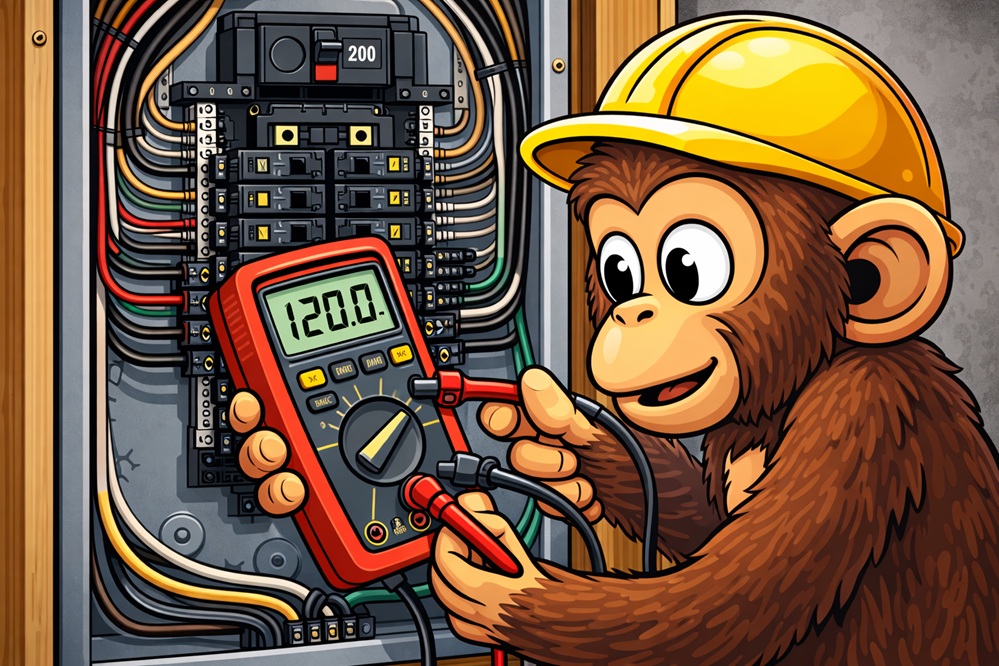
One more issue I see constantly: Loose terminations inside panels. Every time I open a panel, I check: Ground bar screws, Neutral bar screws and Breaker lugs Using an insulated driver, https://amzn.to/3ZWi7ve I verify tightness.
Loose neutral connections can cause: Flickering lights Overheating breakers Voltage imbalance Fire Hazards It takes two minutes. But it separates professionals from shortcuts.
Electrical Fire Prevention Comes Down to Standards
If you: Twist every splice Pigtail receptacles Avoid backstab connections Check panel terminations You eliminate the most common residential electrical fire causes. Devices may fail. People may modify circuits later. But it won’t fail because you cut corners.
If you want to see more details about this and other construction related material check out my You Tube channel https://www.youtube.com/channel/UCEwKCiVCIhxFU8KEGBjrgbA